
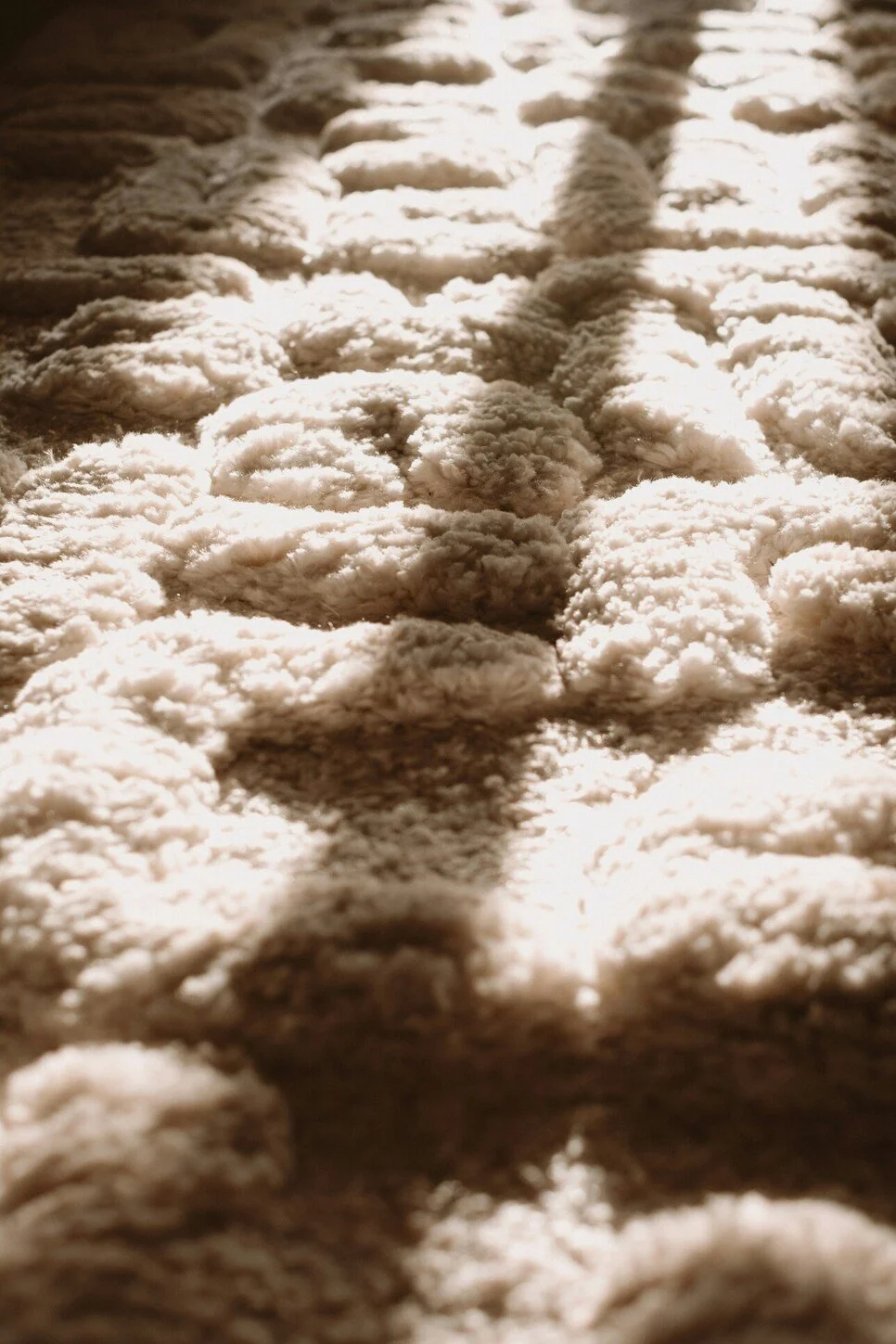
A wool rug is one of the finest investments you can make for your home. But knowing how to look after it properly is something most owners are never actually told.
Wool is a natural fibre with properties quite different from synthetic alternatives, and the cleaning habits that work perfectly well on a standard rug can cause permanent and irreversible damage to a wool one. The wrong vacuum technique, the wrong product on a stain, or simply not acting quickly enough can undo years of careful ownership in a matter of minutes.
These seven tips give you everything you need to care for your wool rug between professional cleans, drawn from the direct professional experience of SuperCLEAN Pro Services, WoolSafe Approved Fibre Care Specialists serving homeowners across Kent. Follow them consistently and your wool rug will look its best for years to come.
Need a WoolSafe-certified rug clean in Kent?
SuperCLEAN Pro Services are WoolSafe Approved Fibre Care Specialists serving homeowners across Ashford, Maidstone, Canterbury, Folkestone and the wider Kent area. On-site or collection and return.
Get Your Free Quote →1. Vacuum With the Right Technique: The Most Important Habit for Any Wool Rug Owner
Regular vacuuming is the single most effective care habit for a wool rug. Dirt and grit settling into the pile acts as an abrasive with every footstep, gradually cutting through wool fibres from the base. Remove it before it causes damage and your rug stays in far better condition for far longer.
The critical detail is how you vacuum, not just how often. Using the wrong setting is one of the most common causes of avoidable damage to wool pile.
According to The Woolmark Company, wool fibres have a natural microscopic scale structure that can be permanently damaged by heat and agitation. A rotating brush bar or beater bar creates exactly this kind of agitation and should never be used on wool.
The correct approach:
Disable the rotating brush bar and use suction only. If your vacuum has no way to turn off the brush, use an upholstery attachment instead.
Vacuum in the direction of the pile, not against it.
Stop before the fringes. Clean those separately with an upholstery attachment or by hand.
Occasionally, flip the rug and vacuum the underside to remove grit that has worked its way through.
New wool rugs shed loose fibres for the first few months. This is normal — vacuum regularly and it reduces on its own.
Aim for once or twice a week in high-traffic areas, once a week elsewhere.
2. Treat Spills Immediately: The Two-Minute Rule That Prevents Permanent Stains
With wool rugs, the difference between a spill that disappears completely and one that leaves a permanent mark often comes down to how quickly you act. Deal with a spill in the first two minutes and it will very often leave no trace. Leave it to dry and you may be dealing with a permanent stain.
Allergy UK also notes that untreated spills in natural fibre rugs can harbour bacteria and allergens over time, making prompt action both a practical and a hygiene priority.
The correct process:
Blot immediately with a clean white cloth. Press firmly to absorb liquid. Never rub - rubbing spreads the stain and drives it deeper into the pile.
Work from the outside of the spill inwards to prevent it spreading further.
For water-based spills (wine, tea, coffee), apply small amounts of cold water to dilute the residue and blot again. Repeat until no colour transfers to the cloth.
For oil-based spills, absorb as much as possible first, then apply a small amount of washing-up liquid diluted in cold water and blot carefully.
Never use hot water - heat sets stains permanently in wool fibre.
Never use bleach, biological detergents or any product not specifically formulated for wool.
For stubborn stains, pet urine or any spill you are unsure about, contact a WoolSafe specialist rather than escalating to stronger home products. That escalation is one of the most common causes of permanent wool rug damage.
3. Rotate Your Rug Regularly: The Simple Step That Adds Years to Its Life
Every rug develops wear patterns based on where people walk and where furniture sits. Leave a rug in the same position permanently and the same areas take the same pressure every single day, while other parts remain comparatively fresh. Over time this creates visible and irreversible differences in pile height and colour.
The solution is straightforward: rotate your rug 180 degrees every six to twelve months. This distributes both foot traffic and sunlight exposure evenly, preventing the localised wear that cannot be reversed.
Two additional steps make a meaningful difference:
Use furniture coasters or pads under table and chair legs. A single chair leg bearing full weight on a small point of a wool rug will permanently compress and damage the fibres in that spot over time.
Fit a quality rug pad underneath. A pad designed for wool rugs reduces friction between rug and floor, prevents slipping, cushions the pile against compression and helps the rug lie flat.
4. Protect Your Rug From Direct Sunlight: How to Preserve Its Colours for the Long Term
Prolonged exposure to direct sunlight causes the natural dyes in wool rugs to fade over time. This is most noticeable in hand-woven and oriental pieces where rich, complex colours are central to the rug’s character and value, but it affects all wool rugs to some degree.
In Kent homes, this is a genuine practical consideration for rugs near south-facing windows or in conservatories during the summer months. UV light is the specific cause of dye degradation, and ordinary glass does not fully block UV radiation.
The most effective protection measures:
Rotate the rug periodically (see tip 3), so no single area receives consistent direct sunlight.
Apply UV-filtering film to glazing in rooms with strong direct light. This is inexpensive and very effective.
Draw curtains or blinds during the brightest part of the day when the room is not in use.
Fading from UV exposure is irreversible. Prevention is the only effective treatment.
5. Guard Against Moths: A Hidden Threat That Catches Most Wool Rug Owners Off Guard
Textile moths are one of the most serious and most frequently overlooked threats to wool rugs. The adult moths themselves cause no damage - it is their larvae that feed on keratin, the protein found in wool and other natural fibres. An active infestation can reduce a section of pile to bare backing within weeks.
The Natural History Museum notes that textile moth larvae thrive in undisturbed, dark and humid conditions. This makes the areas under furniture and the edges and corners of rugs that rarely see foot traffic the most vulnerable spots - precisely the areas most owners never think to check.
Practical prevention:
Vacuum the rug’s edges, corners and sections hidden under furniture regularly. These are the preferred feeding grounds for larvae.
Move furniture periodically to expose and clean the rug beneath it.
Use cedar blocks or lavender sachets near rug edges and in stored rugs; both act as natural deterrents.
Check periodically for early warning signs: irregular thinning of the pile, small bare patches, or fine sandy debris in the pile or on the floor beneath the rug. These indicate active larvae.
Before storing a wool rug, have it professionally cleaned first. Then wrap it in acid-free paper or a breathable fabric bag. Never store wool in plastic, which traps moisture and creates ideal conditions for larvae.
If you suspect an active moth infestation, professional specialist cleaning is the most effective treatment, and far safer for the rug than the harsh home chemical treatments available.
6. Use Wool-Safe Products Only: Why the Wrong Cleaner Can Cause Irreversible Damage
Wool is a natural protein fibre that responds to chemicals in ways that synthetic materials do not. Product choice is one of the most important decisions in wool rug care, and one of the most frequently misunderstood.
The key things to understand:
Wool is sensitive to alkaline products. Household detergents, washing powder, biological cleaners and many general-purpose carpet sprays are alkaline. These strip the natural lanolin from the fibre, leaving it dry, brittle and permanently degraded.
Bleach causes irreversible colour damage and fibre breakdown. Never apply bleach or bleach-containing products to a wool rug under any circumstances.
Excess moisture causes felting and mould. Wool absorbs water readily and dries slowly. Soaking a rug at home creates conditions for mould growth and fibre damage that cannot be undone.
For any product used on a wool rug at home, look for the WoolSafe approval mark. Products certified at woolsafe.org have been independently tested to confirm they are safe for natural fibres. If a product is not explicitly labelled as wool-safe and does not carry WoolSafe approval, do not use it on your rug.
When in doubt, cold water and a clean white cloth are the safest tools available. Leave anything more complex to a professional.
7. Book a WoolSafe Professional Clean: When Home Care Is Not Enough
Consistent home care makes a genuine and measurable difference to the condition of a wool rug. But there is a limit to what it can achieve. Deeply embedded soiling that has built up over years, stubborn staining, persistent odours, moth treatment and overall hygiene at a deep fibre level all require professional treatment.
WoolSafe Approved Fibre Care Specialists are the highest standard of professional rug cleaner in the UK. Verified on the official register at woolsafe.org, a certified company has been trained and assessed to clean wool, natural fibre and delicate rugs safely, using products independently tested for these materials. SuperCLEAN Pro Services are WoolSafe Approved - one of a very small number of specialists across Kent.
The National Carpet Cleaners Association (NCCA) recommends professional cleaning for wool rugs every 12 to 18 months as a standard maintenance interval, with more frequent cleaning for high-traffic areas or homes with pets or allergy sufferers.
Signs your rug needs a professional clean:
The pile looks dull or flat despite regular vacuuming
A persistent odour has not resolved with home treatment
Staining that careful spot treatment has not removed
Pet urine or other organic contamination
The rug has not been professionally cleaned in over two years
You suspect or have confirmed a moth infestation
SuperCLEAN offer both on-site professional rug cleaning and a convenient collection and return service across Kent, covering Ashford, Maidstone, Canterbury, Folkestone and the surrounding area.
SuperCLEAN Pro Services: WoolSafe Approved Rug Cleaning in Kent
Professional, certified rug cleaning across Ashford, Maidstone, Canterbury, Folkestone and the wider Kent area. On-site or collection and return. Eco-friendly products. 100% Money-Back Guarantee.
Get Your Free Quote →8. Conclusion
Caring for a wool rug well comes down to seven consistent habits: vacuum with the brush bar disabled; act on spills in the first two minutes; rotate the rug every six to twelve months; protect it from sustained direct sunlight; check regularly for moths in the corners and under furniture; use only products specifically formulated for wool; and book a WoolSafe specialist for a professional clean every 12 to 18 months.
None of these are difficult or time-consuming. Together, they protect a significant investment and ensure your wool rug looks its best for years to come.
If your rug is overdue a professional clean, or if you are dealing with a stain, odour or suspected moth damage that home care has not resolved, SuperCLEAN Pro Services are here to help. As WoolSafe Approved Fibre Care Specialists covering the whole of Kent, we are qualified to assess, advise and clean to the highest professional standard.
9. Frequently Asked Questions
-
Yes - but only if you disable the rotating brush bar. Standard rotating brushes agitate wool fibres and cause fuzzing and pile damage. Use suction only, vacuum in the direction of the pile and stop before the fringes. Most modern vacuums have a setting to turn off the brush bar — check your model.
-
Act immediately and blot rather than rub, using a clean white cloth and working from the outside of the stain inwards. For water-based stains, use cold water to dilute and blot again. Never use hot water, bleach or products not formulated for wool. For stubborn or organic stains, contact a WoolSafe specialist rather than risking permanent damage with stronger home treatments.
-
Every 12 to 18 months for most households. Rugs in high-traffic areas or homes with pets or allergy sufferers benefit from an annual clean. Good home care between professional cleans makes a significant difference to how long the rug stays in excellent condition.
-
Small accent rugs can be carefully hand-washed in cool water with a WoolSafe-approved product, but this carries risk if done incorrectly. Larger rugs should not be immersed in water at home - wool absorbs water deeply, dries slowly and is vulnerable to mould and fibre damage if it stays wet for too long. Professional cleaning is strongly recommended for anything larger than a small accent rug.
-
Early signs include irregular thinning of the pile, small bare patches in corners or under furniture, and fine sandy debris in the pile or on the floor beneath the rug. These indicate active larvae. If you spot any of these, have the rug professionally cleaned promptly before the infestation spreads.
-
WoolSafe is an internationally recognised certification scheme for professional rug and carpet cleaners. A WoolSafe Approved Fibre Care Specialist has been trained to clean wool, natural fibre and delicate rugs safely, using independently tested products. Verify any company’s certification at woolsafe.org. SuperCLEAN Pro Services are WoolSafe Approved — one of a small number of certified specialists operating across Kent.