
Introduction
When your carpets start to look tired, stained, or dull, the question quickly arises: carpet shampooing vs steam cleaning - which method actually cleans carpets better?
Both techniques are commonly used to deep clean carpets, but they work in very different ways. While carpet shampooing relies on detergent and agitation to remove dirt, carpet steam cleaning uses hot water extraction to lift dirt and debris from deep within the fibres.
If you're wondering whether shampoo or steam carpet cleaning is the better option, this guide will walk you through the key differences, advantages, and limitations of each method. By the end, you'll understand which approach delivers the best results and when each method may be appropriate for your home.
If your carpets need professional attention, you can also book a professional carpet clean with SuperCLEAN Pro Services for expert results and long-lasting freshness.
Table of Contents
What Is Carpet Shampooing?
Carpet shampooing is one of the older methods of deep carpet cleaning. It involves applying a foaming detergent solution to the carpet, which is then scrubbed into the fibres using a rotating brush machine.
The shampoo loosens dirt and oils trapped within the carpet fibres. Once the foam dries, the residue, along with the trapped dirt, is vacuumed away.
This method was extremely popular decades ago, particularly before modern hot water extraction systems became widely available.
Today, carpet shampooing is still sometimes used for:
Heavily soiled carpets
Spot cleaning certain stains
DIY carpet cleaning with rental machines
However, because shampooing relies heavily on detergents, it can sometimes leave behind residue, which may attract dirt again over time if not properly rinsed.
What Is Steam Cleaning?
Despite the name, steam cleaning carpets is more accurately called hot water extraction.
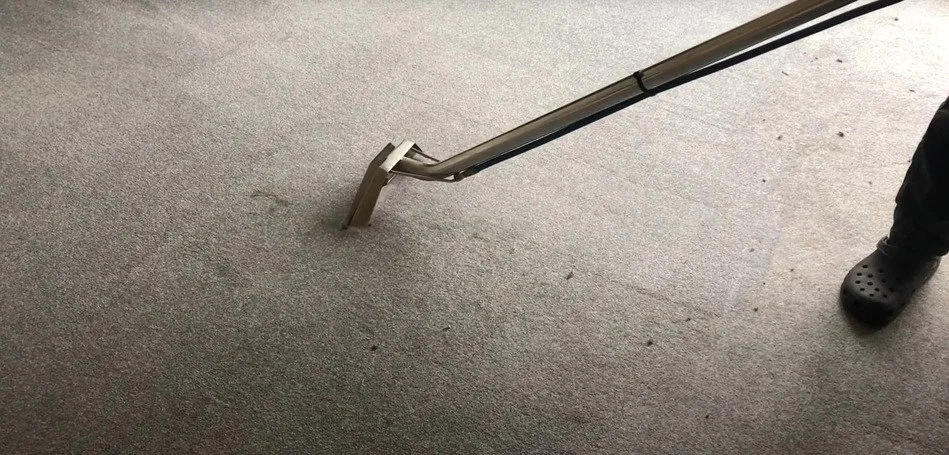
In this process, a professional carpet cleaning machine injects hot water mixed with a cleaning solution deep into the carpet fibres, then immediately extracts the water along with dirt, dust, allergens, and bacteria.
This process reaches deeper into the carpet pile than shampooing and removes debris that ordinary vacuuming cannot reach.
Many professional cleaners prefer steam cleaning because it:
penetrates deep into carpet fibres
removes allergens and bacteria
uses less detergent than shampooing
leaves fewer residues behind
Because the dirt is extracted from the carpet rather than simply lifted to the surface, steam cleaning is widely regarded as one of the most effective methods for deep carpet cleaning.
Carpet Shampooing vs Steam Cleaning: Key Differences
| Feature | Carpet Shampooing | Steam Cleaning |
|---|---|---|
| Cleaning method | Detergent foam scrubbed into carpet fibres | Hot water injected and extracted |
| Depth of clean | Moderate cleaning of surface dirt | Deep cleaning of carpet fibres |
| Residue risk | Higher due to shampoo detergents | Low because water and dirt are extracted |
| Equipment used | Rotary brush or shampoo machine | Hot water extraction machine |
| Typical use | DIY carpet cleaning | Professional carpet cleaning |
In simple terms, shampooing lifts dirt using detergent, whereas steam cleaning removes dirt through extraction.
Drying Time Comparison
Drying time is one of the most important factors when choosing between carpet shampoo vs steam cleaning.
Carpet Shampooing Drying Time
Because shampooing applies significant amounts of detergent foam and moisture to the carpet, drying times can be relatively long.
Typical drying time:
6–24 hours
This can sometimes be longer if the carpet is thick or the room has poor ventilation.
Steam Cleaning Drying Time
Steam cleaning typically uses controlled amounts of hot water combined with powerful extraction. Because the water is removed during the cleaning process, the carpet does not remain as saturated.
Typical drying time:
4–12 hours
With good airflow, carpets can sometimes dry even faster.
Which Method Cleans Carpets Better?
If you compare carpet steam cleaning vs shampooing, steam cleaning generally delivers a deeper and more hygienic clean.
Here’s why:
Deeper Dirt Removal
Steam cleaning penetrates deeper into the carpet fibres and removes dirt that shampooing may leave behind.
Less Residue
Because hot water extraction removes most cleaning solution from the carpet, there is less residue remaining.
Allergen Removal
Steam cleaning can remove dust mites, bacteria, and allergens trapped inside carpets.
Recommended by Manufacturers
Many carpet manufacturers recommend hot water extraction as the preferred professional cleaning method for maintaining carpet warranties.
For these reasons, steam cleaning is widely considered the gold standard for professional carpet cleaning.
Pros and Cons of Carpet Shampooing
Pros
Affordable DIY option
Effective for heavy surface dirt
Equipment can often be rented
Cons
Can leave detergent residue
May attract dirt more quickly afterwards
Longer drying time
Less effective for deep cleaning
Pros and Cons of Steam Cleaning
Pros
Deep cleans carpet fibres
Removes allergens and bacteria
Leaves less residue
Preferred by professionals
Faster drying time
Cons
Requires professional equipment
Typically more expensive than DIY methods
Incorrect use can over-wet carpets
When Should You Use Each Method?
Carpet Shampooing May Be Useful When:
You are performing basic DIY carpet cleaning
The carpet is heavily soiled and needs agitation first
You are preparing carpets before another cleaning method
Steam Cleaning Is Best When:
You want a deep professional clean
Removing allergens and bacteria is important
Your carpet has built-up dirt or odours
You want longer-lasting results
For most households, professional steam cleaning once or twice a year is enough to maintain fresh and hygienic carpets.
Conclusion
When comparing carpet shampooing with steam cleaning, both methods can improve the appearance of your carpets, but they work in very different ways.
Carpet shampooing relies on detergent and scrubbing to lift dirt, while steam cleaning uses hot water extraction to remove dirt from deep within the carpet fibres.
For homeowners looking for the most thorough and hygienic clean, steam cleaning is typically the better option. It penetrates deeper into the carpet, removes allergens, and leaves behind less residue.
If your carpets are looking tired, stained, or overdue for a refresh, the best solution is to hire a professional.
👉 Book a professional carpet cleaning service with SuperCLEAN Pro Services today and restore your carpets to their best condition.
FAQs
-
In most cases, steam cleaning is the better option because it removes dirt and allergens from deep within the carpet fibres. Shampooing can help with surface dirt but may leave residue behind.
-
Not exactly. Carpet shampoo refers to the detergent used during the shampooing process. Carpet cleaner can refer to either the cleaning solution or the machine used to clean carpets.
-
During steam cleaning, hot water and cleaning solution loosen dirt inside the carpet fibres. The extraction machine then vacuums the dirty water into a waste tank, removing the dirt from the carpet.
-
Common mistakes include:
Not vacuuming beforehand
Over-wetting the carpet
Using too much detergent
Not allowing enough drying time
Professional equipment helps avoid these problems.
-
It is generally recommended to stay off the carpet for 4–6 hours, although complete drying may take up to 12 hours depending on airflow and humidity.
-
Steam cleaners should not usually be used on delicate carpets made from natural fibres like jute or sisal, as heat and moisture can damage them.
-
Yes. Vacuuming beforehand removes loose dirt and debris, allowing the steam cleaning process to penetrate deeper into the carpet fibres.